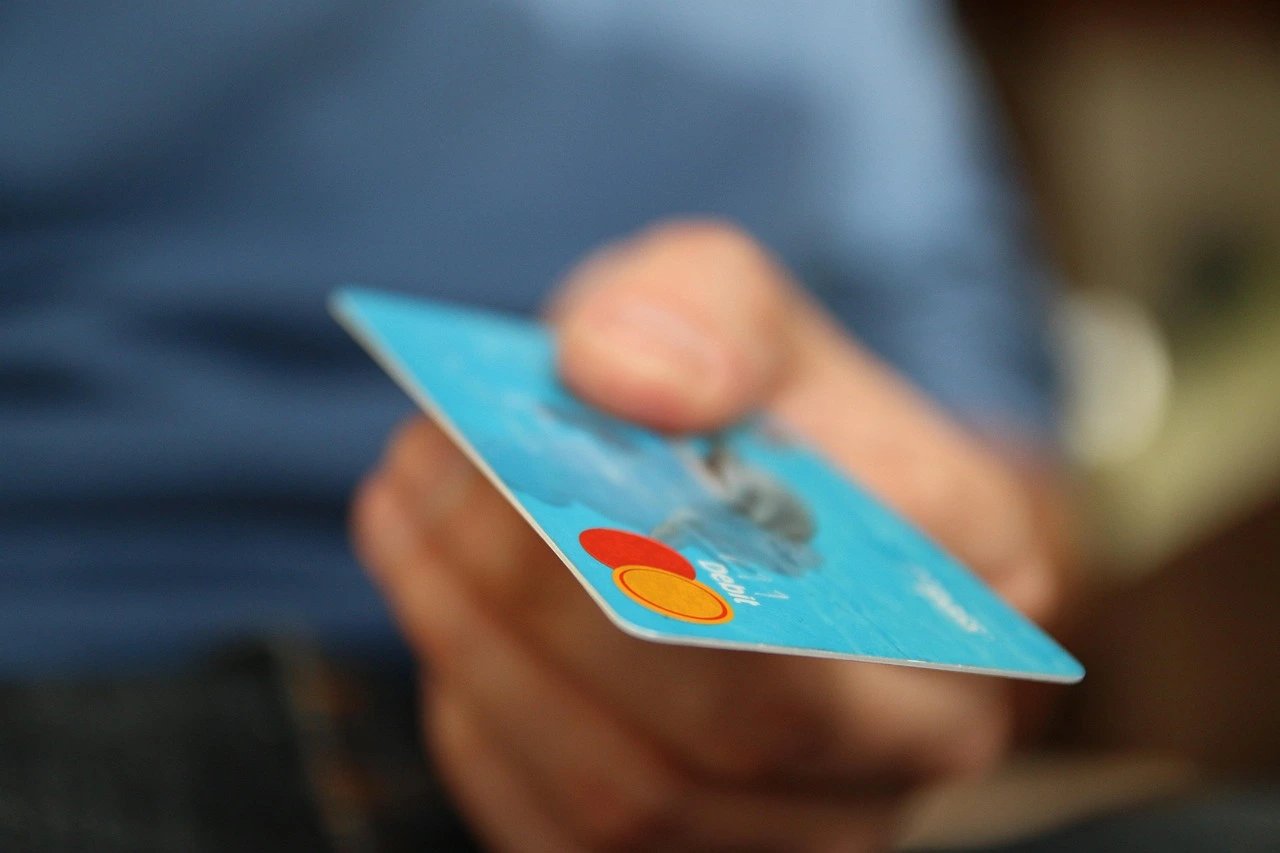
You swipe, you tap, you click “Buy Now.” The process is seamless, almost magical. But have you ever stopped to wonder what happens behind the scenes when you use your credit card? It’s more than just a simple transaction; it’s a complex financial dance involving several players.
Understanding this process isn’t just about satisfying your curiosity—it’s the key to becoming a smarter, more responsible credit card user. It reveals why interest charges appear. It shows how your payments are allocated. It explains what truly happens during that brief moment at the checkout terminal.
Let’s pull back the curtain and demystify the journey of a single credit card transaction.
The Key Players in Every Transaction
Before we dive into the process, it’s crucial to know the main characters involved:
- You (The Cardholder): The person using the credit card to make a purchase.
- The Merchant: The store, restaurant, or online business where you are making the purchase.
- The Acquirer (Merchant’s Bank): The financial institution that processes credit card payments on behalf of the merchant.
- The Card Issuer (Your Bank): The company (usually a bank or credit union) that provided you with your credit card.
- The Payment Network (e.g., Visa, Mastercard): The system that acts as a bridge between the merchant’s bank and your bank, facilitating the transaction.
The Lifecycle of a Credit Card Payment: A Step-by-Step Guide
From the moment you decide to buy that new pair of shoes to the day you pay your bill, here’s the journey your payment takes.
Step 1: The Purchase
You present your credit card to a merchant, either in person or online. The merchant’s payment terminal or website sends the transaction details. These include the amount, merchant ID, and your card information. This information is sent to their bank, the Acquirer.
Step 2: Seeking Authorization
The Acquirer forwards this information to the appropriate payment network (Visa/Mastercard). The network then routes the authorization request to your bank (the Issuer). Your bank instantly checks:
- Is the card valid and not reported stolen?
- Is your credit limit sufficient to cover the purchase?
- Is there any suspicious activity?
Your bank then sends an “approval” or “denial” code back through the same chain. This entire process happens in a matter of seconds.
Step 3: Completing the Transaction
With approval granted, the merchant completes the sale. The funds are temporarily “authorized” but not yet transferred. The merchant sends a batch of all approved transactions to their bank at the end of the business day. This is done to receive payment.
Step 4: Settlement and Funding
The merchant’s bank submits the batched transactions through the payment network to the respective card issuers. The issuers transfer the money, after deducting a small “interchange fee.” The funds are then deposited into the merchant’s account by the merchant’s bank. This settlement process usually takes 1-3 days.
The Bill Arrives: Understanding Your Statement
At the end of your billing cycle (usually a 30-day period), your card issuer will send you a statement. This document is critical. It details all your transactions and your previous balance. It also shows the total amount you now owe, the minimum payment due, and the payment due date.
What Happens When You Make a Payment?
This is where financial savvy comes into play. When you make a payment, your bank typically allocates it in this order:
- Fees: Any late fees or annual fees are paid first.
- Interest: The accrued interest on purchases and cash advances is paid off.
- Principal: The remaining part of your payment reduces your main balance. This is the actual amount you spent on purchases.
If you do not pay your entire statement balance by the due date, the issuer will charge you interest on the remaining amount. That interest will start to accrue on all new purchases immediately from the day you make them.
Smart Credit Card Habits: Your Action Plan
Knowing how a credit card works empowers you to use it to your advantage. Here’s your action plan:
- Pay Your Balance in Full: The single most effective way to avoid interest charges and debt. Aim to pay the full “New Balance” on your statement every month.
- Understand Your Grace Period: This is the interest-free period between the purchase date and the bill’s due date. It usually only applies if you pay your balance in full each month.
- Know Your Costs: Be aware of your card’s Annual Percentage Rate (APR), annual fees, and foreign transaction fees.
- Monitor Your Statements: Check your transactions regularly for any errors or fraudulent activity.
The Bottom Line
A credit card is a powerful financial tool, not free money. It’s a short-term loan from your bank. By understanding the intricate dance between merchants, banks, and payment networks, you can become an empowered consumer. This shift happens when you move from being a passive user.
Use your card wisely and pay it off consistently. You’ll build a strong credit history. This helps you avoid the common pitfalls of high-interest debt. The power to master your plastic is now in your hands.





Leave a Reply